
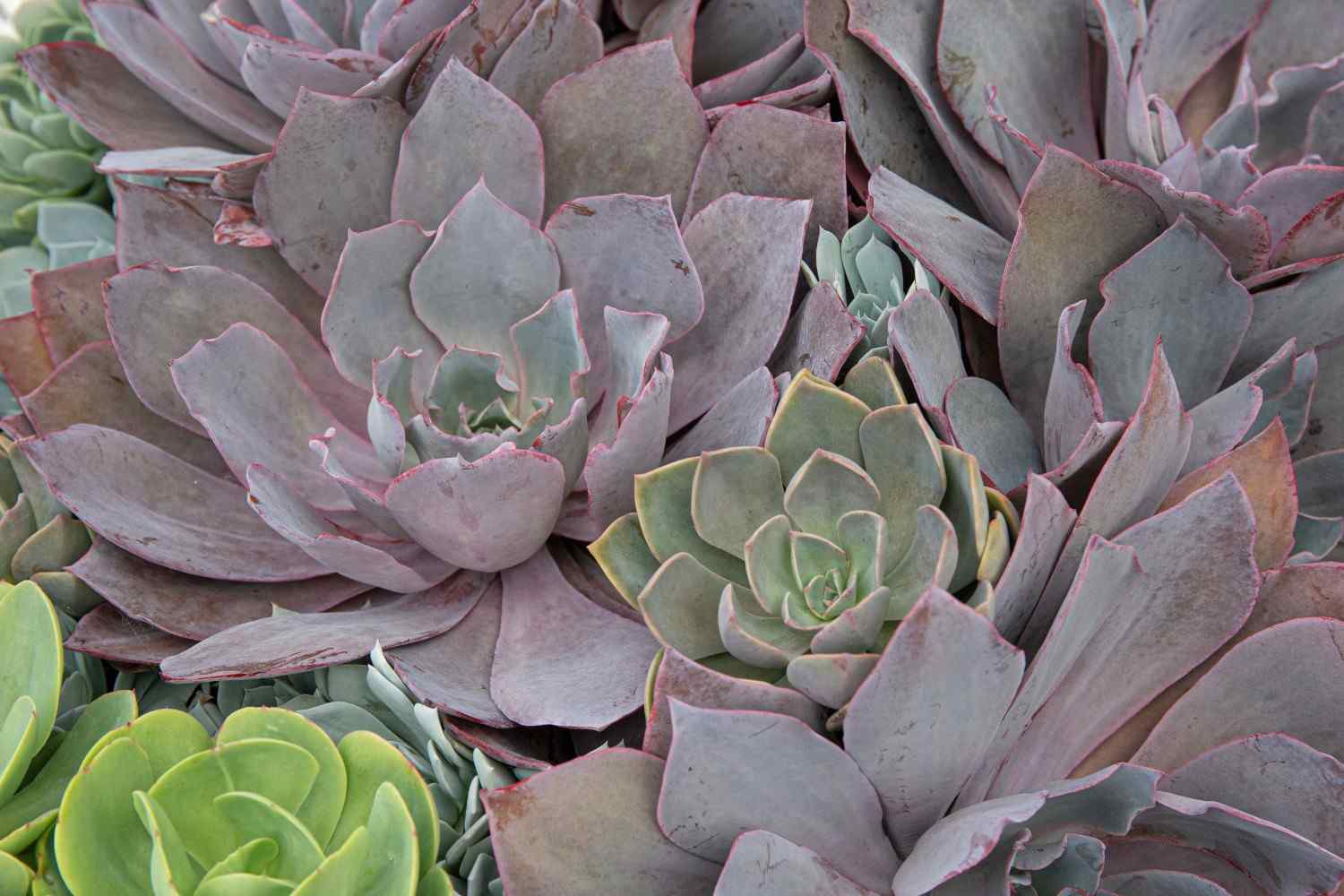
Succulents are known for being “low-maintenance” plants—but in humid regions like West Bengal, Kolkata, Howrah, and coastal India, they need a slightly different care routine.
High humidity + frequent rain can quickly turn these desert plants into root-rot victims if not handled correctly.
This guide will help you keep your succulents healthy, colorful, and long-lasting—even in tropical Indian weather.
🌿 Why Succulents Struggle in Humid Climate
Succulents naturally come from dry, arid environments. They store water in their leaves and stems, so they don’t like:
- Constant moisture in soil
- Poor airflow
- High humidity + low sunlight conditions
- Overwatering (most common mistake in India)
👉 In West Bengal, the biggest risk is root rot due to trapped moisture
☀️ 1. Give Maximum Sunlight (Very Important)
Succulents in humid regions need strong indirect sunlight or mild direct sun.
✔ Best placement:
- South or east-facing balcony
- Near bright windows
- Open terrace (with protection from heavy rain)
❌ Avoid:
- Bathroom / kitchen corners
- Deep indoor shade
- Constant AC rooms
👉 Without sunlight, succulents become soft, weak, and rot easily.
🪴 2. Use Fast-Draining Soil (Game Changer)
Normal garden soil is deadly for succulents in humid weather.
Use this mix instead:
🌱 Ideal soil mix:
- 40% cactus/succulent soil
- 30% sand (coarse river sand)
- 20% perlite or pumice
- 10% cocopeat (optional)
👉 Goal: soil should dry within 2–3 days max
💧 3. Water Less Than You Think
In West Bengal humidity, less water = healthier plant
✔ Watering rule:
- Summer: once every 7–10 days
- Monsoon: once every 15–20 days
- Winter: once every 12–15 days
👉 Always check soil before watering:
If top 2 inches are wet → DO NOT water
🌧️ 4. Protect from Rain (Very Important in Bengal Monsoon)
Heavy rain is the #1 killer of succulents.
✔ Protection methods:
- Keep under shaded balcony roof
- Use transparent plastic cover (ventilated)
- Move indoors during heavy rain spells
- Use hanging baskets with drainage holes
🪟 5. Ensure Air Circulation
Humidity becomes dangerous when air is still.
✔ Improve airflow by:
- Keeping plants spaced apart
- Using balcony fans (if indoor balcony)
- Avoid clustering many pots together
👉 Good airflow prevents fungal infection
🪨 6. Use Pots With Drainage Holes ONLY
Never use closed pots for succulents in humid climates.
✔ Best pots:
- Terracotta pots (best choice)
- Clay pots
- Ceramic pots with drainage
❌ Avoid:
- Glass jars
- Plastic pots without holes
- Decorative sealed planters
🐛 7. Watch for Early Signs of Rot
In humid weather, problems develop fast.
🚨 Warning signs:
- Mushy leaves
- Yellowing base
- Black stem
- Bad smell from soil
👉 If detected early:
- Remove plant from soil
- Cut rotten roots
- Let it dry for 2–3 days
- Replant in dry soil
🌿 8. Best Succulents for West Bengal Climate
Some succulents handle humidity better than others:
✔ Jade Plant (Crassula)
✔ Aloe Vera
✔ Haworthia
✔ Echeveria (with care)
✔ Snake Plant (semi-succulent, very hardy)
👉 Start with these if you are beginner in Bengal climate
🌸 Final Thoughts
Succulents are not difficult—they just need the right environment adjustment in humid regions like West Bengal.
If you control:
- Water
- Soil
- Sunlight
- Airflow
👉 Your succulents will not just survive—they will thrive beautifully.
🌿 Bring Home Healthy Succulents
At Bonotol, we provide carefully selected indoor plants and succulents suited for Indian climate conditions, along with care guidance for long life and easy maintenance.
👉 Perfect for homes, offices, and corporate gifting.